Your Kids Will Love The Dentist!

Pulpotomy Treatment in Voorhees, NJ

When your child experiences deep tooth decay or trauma to a baby tooth, a pulpotomy may be necessary to save the tooth and prevent pain. This conservative treatment removes infected or inflamed pulp tissue from the crown portion of the tooth while preserving the healthy root structure, allowing the tooth to remain functional until it naturally falls out.

At ABC Children’s Dentistry, pediatric dentist Dr. Singer performs pulpotomies using gentle techniques designed to keep your child comfortable throughout the procedure. Our conservative approach focuses on preserving baby teeth whenever possible, as these teeth play important roles in your child’s development, speech, and proper spacing for permanent teeth.

What Is a Pulpotomy?

A pulpotomy is a pediatric dental procedure that treats infected or inflamed pulp tissue in baby teeth. The pulp is the soft tissue inside the tooth containing nerves, blood vessels, and connective tissue. When decay or trauma reaches the pulp, it can cause significant pain and infection without proper treatment.

During a pulpotomy, the infected pulp tissue is carefully removed from the crown portion of the tooth, while the healthy pulp in the root canals remains intact. This approach allows the tooth to continue functioning normally while eliminating the source of infection and discomfort.

The procedure is often called a “baby tooth root canal,” though it’s less extensive than adult root canal treatment. The goal is to preserve the natural tooth structure and maintain proper spacing for permanent teeth that will eventually replace the baby teeth.

Baby tooth extractions are generally straightforward dental procedures. These primary teeth typically have shorter, less developed roots than permanent teeth, making removal simpler and less invasive. After applying appropriate anesthesia, Dr. Singer gently loosens and removes the tooth using specialized instruments designed for pediatric patients. Permanent tooth extractions require more careful consideration. 

When Is a Pulpotomy Needed?

Several situations may require a pulpotomy to save your child’s tooth. Deep cavities that reach the pulp tissue represent the most common reason for this treatment. When bacteria penetrate the tooth’s protective layers, they can cause infection and inflammation in the pulp.

Trauma from accidents, falls, or sports injuries can also damage the pulp tissue. Even if the tooth appears intact externally, internal damage may require pulpotomy treatment to prevent complications and preserve the tooth’s function.

Children experiencing persistent toothache, sensitivity to temperature changes, or swelling around a tooth may need pulpotomy treatment. Early intervention prevents the spread of infection and eliminates the need for more extensive procedures.

Magical Smiles Start Here
Schedule an appointment with us today to discover the difference of our adventure-themed environment, comprehensive pediatric services, and Dr. Singer's personalized approach that transforms dental visits into experiences your child will love.

The Pulpotomy Procedure

The pulpotomy procedure begins with ensuring your child’s comfort through appropriate anesthesia. Local anesthesia numbs the treatment area, and sedation options may be available for anxious children or complex cases.

After achieving proper anesthesia, the affected tooth is carefully accessed to remove the infected pulp tissue from the crown portion. The remaining healthy pulp in the root canals is treated with medication to prevent future infection and promote healing.

Following pulp removal and medication placement, the tooth is sealed with a special filling material. A crown is typically placed over the treated tooth to restore its strength and protect it from further damage. The entire procedure usually takes 30 to 45 minutes, depending on the complexity of the case.

Recovery and Aftercare

Most children experience minimal discomfort following a pulpotomy procedure. Over-the-counter pain relievers recommended by your dentist can help manage any mild soreness. Normal eating and drinking can usually resume within a few hours after the procedure.

The treated tooth should function normally after recovery. Your child can eat, chew, and brush normally, though avoiding extremely hard or sticky foods may be advisable initially. The crown placed over the treated tooth provides long-term protection and durability.

Benefits of Pulpotomy Treatment

Pulpotomy treatment offers several important benefits for your child’s oral health. Preserving the natural tooth maintains proper spacing for permanent teeth and prevents premature tooth loss that could lead to alignment problems.

The procedure eliminates pain and infection while allowing your child to continue normal eating and speaking functions. Baby teeth play crucial roles in proper nutrition, speech development, and self-confidence, making their preservation valuable whenever possible.

Root canal procedures are used to repair severely damaged or infected teeth rather than removing them. This principle applies to pulpotomy treatment in children, where preservation of baby teeth supports proper oral development.

Success Rates and Long-Term Outcomes

Pulpotomy procedures have high success rates when performed on appropriate cases. Most treated teeth function normally until they naturally exfoliate when permanent teeth are ready to erupt. Regular dental checkups allow monitoring of treated teeth to ensure continued health.

The success of pulpotomy treatment depends on factors such as the extent of initial infection, the child’s overall health, and adherence to post-treatment care instructions. Early intervention typically leads to better outcomes and simpler procedures.

Preserve Your Child's Smile

At ABC Children’s Dentistry, Dr. Singer has been creating positive dental experiences for children since 2004, combining clinical excellence with a uniquely engaging approach that helps children feel comfortable during dental procedures. Recognized by the Consumers Research Council of America as a Top Dentist for Pediatric Dentistry, Dr. Singer brings both expertise and compassion to every treatment.

If your child is experiencing tooth pain or has been told they need a pulpotomy, call us at (856) 783-3515 or contact our office to schedule a consultation and discuss the best treatment options for your child’s specific needs.

Testimonials from Happy Parents

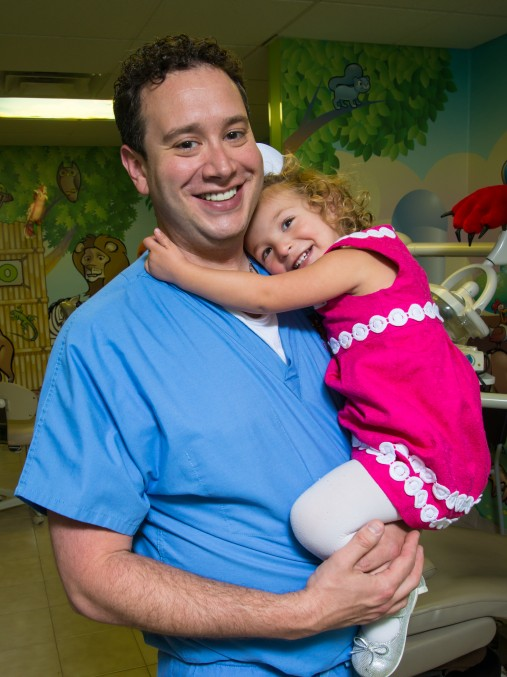
Dr. Jeffrey Singer, pediatric dentist and owner of ABC Children's Dentistry

Meet Dr. Jeffrey Singer

Dr. Jeffrey Singer brings over 20 years of specialized pediatric dental expertise to families throughout South Jersey. As the founder of ABC Children's Dentistry in Voorhees, Dr. Singer combines exceptional clinical training with a uniquely compassionate approach that transforms routine dental visits into positive experiences children actually look forward to.

With advanced training in behavior management and hospital-based sedation dentistry, Dr. Singer provides complete pediatric dental services tailored to each child's unique needs. His expertise extends to treating children with special healthcare needs, ensuring every child receives comfortable, compassionate care in the safest possible environment.

Visit Us

[gatherup_widget id="1"]
[gatherup_widget id="1"]