Pacifier Weaning Support in Voorhees, NJ
When your child experiences a dental injury, prompt, gentle care makes all the difference. Dr. Jeffrey Singer provides expert treatment for chipped, loose, and knocked-out teeth in a comforting environment designed just for kids.
Breaking the pacifier habit can feel overwhelming for both parents and children, especially when comfort routines have been established over years. The transition away from pacifiers becomes particularly important as children approach ages two to four, when prolonged use can begin affecting tooth alignment and jaw development. At ABC Children’s Dentistry, we understand the emotional challenges families face during this transition and provide compassionate guidance to make pacifier weaning a positive experience for everyone involved.
Dr. Jeffrey Singer and our team work with families throughout Voorhees, Cherry Hill, Marlton, and surrounding communities to develop personalized weaning strategies that respect your child’s emotional needs while protecting their developing smile. We offer practical support, pediatric dental care tailored to each child’s unique situation, and encouragement throughout the weaning process.
Why Does Pacifier Weaning Matter for Oral Health?
Pacifiers serve an important developmental purpose during infancy, satisfying babies’ natural sucking reflex and providing comfort during difficult moments. However, extended pacifier use beyond age three can create orthodontic concerns that affect both appearance and function. Children who continue using pacifiers past their third birthday may develop open bites, where front teeth don’t meet properly when the mouth closes, or crossbites that affect how upper and lower teeth align.
The intensity and frequency of pacifier use also influence potential dental impacts. Children who suck vigorously or use pacifiers throughout the day face higher risks of tooth misalignment than those who use them primarily for sleep. Most children naturally discontinue non-nutritive sucking behaviors between ages two and four, making this window ideal for gentle weaning approaches.
Beyond orthodontic concerns, prolonged pacifier use can affect speech development as children learn to form sounds and words. Understanding these effects of pacifiers on children’s teeth helps parents make informed decisions about timing and approach for weaning.
When Should Weaning Begin?
Most pediatric dentists recommend beginning the weaning process between ages two and three, before prolonged use creates permanent changes to tooth positioning. Children approaching their third birthday have developed sufficient emotional regulation skills to handle the transition with appropriate support. Starting early also prevents the habit from becoming more deeply entrenched, making the process easier for everyone involved.
Signs Your Child Is Ready
Watch for developmental milestones that suggest readiness for weaning. Children who can verbally express their feelings, understand cause and effect, and respond to simple reasoning typically handle pacifier weaning more successfully. Many toddlers show natural decreases in pacifier dependence as they become more engaged with play, social interactions, and verbal communication.
Physical readiness signs include using the pacifier only at specific times rather than throughout the day, easily distracted from the pacifier during activities, and showing interest in being “big kids” who don’t need certain baby items anymore.
Creating a Weaning Timeline
Gradual approaches typically work better than abrupt removal, allowing children to adjust emotionally while building new comfort strategies. Begin by limiting pacifier use to specific situations like naptime and bedtime, then gradually reduce those occasions over several weeks. Some families find success setting a specific “goodbye to the pacifier” date that gives children time to prepare mentally.
Effective Weaning Strategies
Successfully weaning from pacifiers requires patience, consistency, and creativity. Different approaches work for different children, so families may need to try multiple strategies before finding the right fit. We recommend starting with positive reinforcement methods that celebrate progress rather than punishment approaches that create stress or resistance.
Gradual Reduction Techniques
Start by identifying when your child uses the pacifier most frequently and begin eliminating the least emotionally important times first. If your child typically reaches for the pacifier during car rides but doesn’t actually need it for comfort, that situation offers an easy starting point. Replace pacifier use with engaging alternatives like songs, stories, or special toys that occupy hands and mouths differently.
Some parents successfully use the “pacifier fairy” approach, where children exchange pacifiers for a special gift or privilege. This method works particularly well for children who understand trading concepts and respond to imaginative play. Others find success gradually cutting down the pacifier nipple over time, making it less satisfying and encouraging natural discontinuation.
Building Alternative Comfort Methods
Children rely on pacifiers for emotional regulation, so teaching alternative comfort strategies prevents the weaning process from feeling like pure loss. Introduce new bedtime routines that include extra cuddle time, special stuffed animals, or calming music. During stressful moments, offer physical comfort through hugs, gentle back rubs, or quiet time together.
Helping children verbalize their feelings also reduces pacifier dependence. When your child reaches for the pacifier during frustration or sadness, acknowledge their emotions verbally and help them express what they’re experiencing. This builds emotional intelligence while reducing reliance on physical comfort objects.
Managing Setbacks and Challenges
Even well-planned weaning attempts encounter obstacles. Illness, travel, major life changes, or starting preschool can trigger regression to old comfort patterns. These setbacks don’t indicate failure but rather demonstrate your child’s normal response to stress. When regression occurs, respond with patience rather than frustration.
Some children experience increased emotional outbursts during the initial weaning period as they adjust to life without their primary comfort tool. These behaviors typically decrease within one to two weeks as new comfort strategies take hold. Maintaining consistent boundaries while offering extra emotional support helps children navigate this adjustment period successfully.
If your child continues struggling with weaning after several weeks, consider pausing the process temporarily. Sometimes waiting a few months allows children to reach developmental stages that make weaning easier and less stressful for everyone involved.
How We Support Families Through Weaning
Making your child’s first visit part of the weaning conversation helps children understand why giving up pacifiers matters for their health. During appointments, we explain tooth development in age-appropriate language that helps children feel invested in protecting their smiles. Our Disney-themed office, complete with animatronic parrots and arcade games, makes dental visits enjoyable experiences that children actually look forward to attending.
Dr. Singer’s goofy, engaging personality helps children feel comfortable asking questions and discussing their concerns about giving up pacifiers. We never shame children about pacifier use but instead celebrate small victories and acknowledge the courage it takes to make big changes. This positive approach builds confidence while protecting the parent-child relationship from becoming strained over weaning struggles.
We also provide parents with specific techniques tailored to their child’s personality, age, and attachment level. Some children respond well to reward charts, while others need story-based approaches that frame weaning as an adventure. Understanding your child’s unique motivations allows us to suggest strategies with the highest likelihood of success.
Schedule Your Pacifier Weaning Consultation at ABC Children's Dentistry
Dr. Jeffrey Singer and our team at ABC Children’s Dentistry bring over two decades of experience helping families navigate important dental health transitions, including pacifier weaning. As a Top Dentist for Pediatric Dentistry voted by the Consumers Research Council of America, Dr. Singer combines clinical knowledge with a genuine understanding of childhood development and family dynamics.
Our approach respects each family’s unique circumstances while prioritizing long-term oral health outcomes. Whether you’re just beginning to think about weaning or need support during a challenging transition, we provide the guidance and encouragement you need. Contact our office today to discuss personalized weaning strategies that work for your child and family.

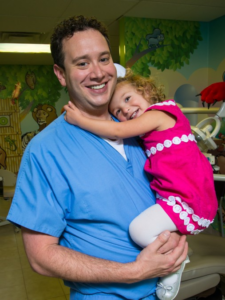
Meet Dr. Jeffrey Singer
Dr. Jeffrey Singer brings over 20 years of specialized pediatric dental expertise to families throughout South Jersey. As the founder of ABC Children's Dentistry in Voorhees, Dr. Singer combines exceptional clinical training with a uniquely compassionate approach that transforms routine dental visits into positive experiences children actually look forward to.
With advanced training in behavior management and hospital-based sedation dentistry, Dr. Singer provides complete pediatric dental services tailored to each child's unique needs. His expertise extends to treating children with special healthcare needs, ensuring every child receives comfortable, compassionate care in the safest possible environment.
Testimonials from Happy Parents
Visit Us
- 1001 Laurel Oak Rd STE E2, Voorhees Township, NJ 08043
- 856-783-3515
- Mon-Thurs 7:45 AM–4 PM, Fri 7:45 AM–3 PM