Early Orthodontic Intervention
When your child experiences a dental injury, prompt, gentle care makes all the difference. Dr. Jeffrey Singer provides expert treatment for chipped, loose, and knocked-out teeth in a comforting environment designed just for kids.
Parents often wonder when they should start thinking about their child’s orthodontic needs. Many assume braces are something to address during the teenage years, but waiting until adolescence can sometimes mean missing important opportunities to guide proper jaw development and tooth alignment. Early intervention during childhood can make orthodontic treatment simpler, shorter, and less invasive later in life.
At ABC Children’s Dentistry, we understand that every child develops differently, and timing matters when it comes to orthodontic care. Dr. Singer evaluates each child’s unique dental and jaw development to determine if early orthodontic intervention could benefit their long-term oral health. Our approach prioritizes creating positive experiences while ensuring your child receives the right care at the right time.
Why Does Early Orthodontic Evaluation Matter?
The American Academy of Pediatric Dentistry recommends that children receive their first orthodontic evaluation by age seven. At this age, children typically have a mix of baby teeth and permanent teeth, allowing pediatric dentists to identify potential problems with jaw growth and emerging teeth. Early evaluation doesn’t always mean immediate treatment, but it gives us valuable information about how your child’s bite is developing.
During these evaluations, we look for signs that might indicate the need for intervention. Some children show early indicators of crowding, crossbites, or jaw growth discrepancies that could benefit from timely treatment. Other children develop beautifully on their own and simply need periodic monitoring. The evaluation itself is gentle and non-invasive, giving parents peace of mind about their child’s developmental trajectory.
What Issues Can Early Intervention Address?
Early orthodontic intervention works best for specific developmental concerns that respond well to treatment during childhood. Crossbites, where upper teeth fit inside lower teeth when biting down, can be corrected more easily while the jaw is still growing. This condition can affect how a child chews and even lead to uneven jaw growth if left unaddressed. Similarly, severe crowding or spacing issues may benefit from early guidance to create room for permanent teeth.
We also evaluate habits that affect dental development, such as prolonged thumb sucking or tongue thrusting. These patterns can influence how teeth erupt and how jaws grow. When caught early, gentle interventions can redirect these habits before they create lasting orthodontic problems. Some children also develop what we call an anterior open bite, where front teeth don’t meet when the back teeth close together. This can impact speech and eating, and early treatment often proves more effective than waiting.
How Is Early Intervention Different from Traditional Braces?
Early orthodontic intervention focuses on guiding growth and development rather than comprehensive tooth alignment. This phase of treatment, sometimes called Phase 1 orthodontics, aims to create better conditions for permanent teeth to come in properly. The appliances used during early intervention differ from traditional braces and are typically worn for shorter periods.
Treatment might involve expanders to widen the upper jaw, creating space for crowded teeth and improving bite relationships. Some children benefit from partial braces on just a few teeth to correct specific problems. Others might need space maintainers to hold room for permanent teeth after early loss of baby teeth. These interventions are targeted and purposeful, addressing specific developmental concerns rather than perfecting overall tooth alignment.
The goals of early intervention include:
- Creating adequate space for permanent teeth to erupt
- Reducing the risk of trauma to protruding front teeth
- Correcting harmful oral habits
- Improving facial symmetry and appearance
- Simplifying future orthodontic treatment
Following this phase, children typically go through a rest period where we monitor development as remaining permanent teeth come in. Many children will eventually need comprehensive orthodontic treatment during adolescence, but the early intervention makes this later treatment shorter and more straightforward.
Does Every Child Need Early Orthodontic Intervention?
Not every child requires early orthodontic intervention. Many children develop normally and will only benefit from orthodontic treatment during their teenage years when all permanent teeth have erupted. The decision to begin early treatment depends entirely on your child’s individual development and specific needs. We take a conservative approach, recommending intervention only when it will meaningfully benefit your child’s oral health and development.
Some parents worry that early evaluation means committing to years of orthodontic treatment, but this isn’t the case. The evaluation simply gives us important information about how your child is growing. If we identify concerns, we discuss all options with you and explain the benefits and timing of any recommended treatment. If your child is developing well, we simply continue monitoring their progress during regular dental checkups and provide guidance about when future evaluation might be helpful.
What Should Parents Watch For?
While professional evaluation remains essential, parents can watch for certain signs that might indicate orthodontic concerns. Early or late loss of baby teeth, difficulty chewing or biting, mouth breathing, or thumb sucking past age five can all suggest potential issues. You might notice that your child’s jaw shifts when they bite down, or that their teeth seem very crowded or spaced.
Some children grind their teeth at night or have noticeable facial asymmetry. Others struggle with speech difficulties related to tongue placement or tooth position. If you notice any of these signs, mentioning them during your child’s dental visit helps us provide more focused evaluation. However, many orthodontic concerns aren’t visible to parents, which is why professional assessment at age seven proves so valuable.
How Does the Evaluation Process Work?
Our orthodontic evaluation feels natural and comfortable for children. Dr. Singer examines how your child’s teeth fit together, evaluates jaw growth patterns, and checks how permanent teeth are developing. We might take diagnostic X-rays to see teeth that haven’t erupted yet and assess jaw structure. The entire process is gentle and non-threatening, designed to keep children relaxed.
If we identify concerns, we explain our findings clearly and discuss whether treatment would benefit your child now or later. We consider your child’s overall development, cooperation level, and specific orthodontic needs when making recommendations. Some children benefit from immediate intervention, while others need periodic monitoring until the right time for treatment arrives. We never rush treatment and always prioritize your child’s comfort and readiness.
Schedule an Early Orthodontic Evaluation at ABC Children's Dentistry
Dr. Singer brings years of specialized training in pediatric dentistry to every orthodontic evaluation, helping families throughout South Jersey make informed decisions about their children’s dental development. We understand that orthodontic concerns can feel overwhelming for parents, and we’re committed to providing clear guidance and compassionate care. Our Disney-themed office and child-friendly approach help children feel comfortable during evaluations, turning what might be an anxious experience into a positive one.
Whether your child is approaching age seven or you’ve noticed signs that concern you, contact our office to schedule an evaluation. Early assessment gives us the best opportunity to guide your child’s dental development, potentially simplifying future treatment and ensuring a healthy, confident smile for years to come.

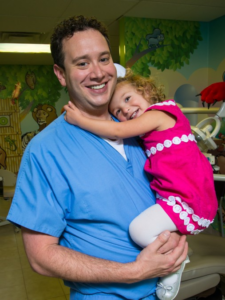
Meet Dr. Jeffrey Singer
Dr. Jeffrey Singer brings over 20 years of specialized pediatric dental expertise to families throughout South Jersey. As the founder of ABC Children's Dentistry in Voorhees, Dr. Singer combines exceptional clinical training with a uniquely compassionate approach that transforms routine dental visits into positive experiences children actually look forward to.
With advanced training in behavior management and hospital-based sedation dentistry, Dr. Singer provides complete pediatric dental services tailored to each child's unique needs. His expertise extends to treating children with special healthcare needs, ensuring every child receives comfortable, compassionate care in the safest possible environment.
Testimonials from Happy Parents
Visit Us
- 1001 Laurel Oak Rd STE E2, Voorhees Township, NJ 08043
- 856-783-3515
- Mon-Thurs 7:45 AM–4 PM, Fri 7:45 AM–3 PM