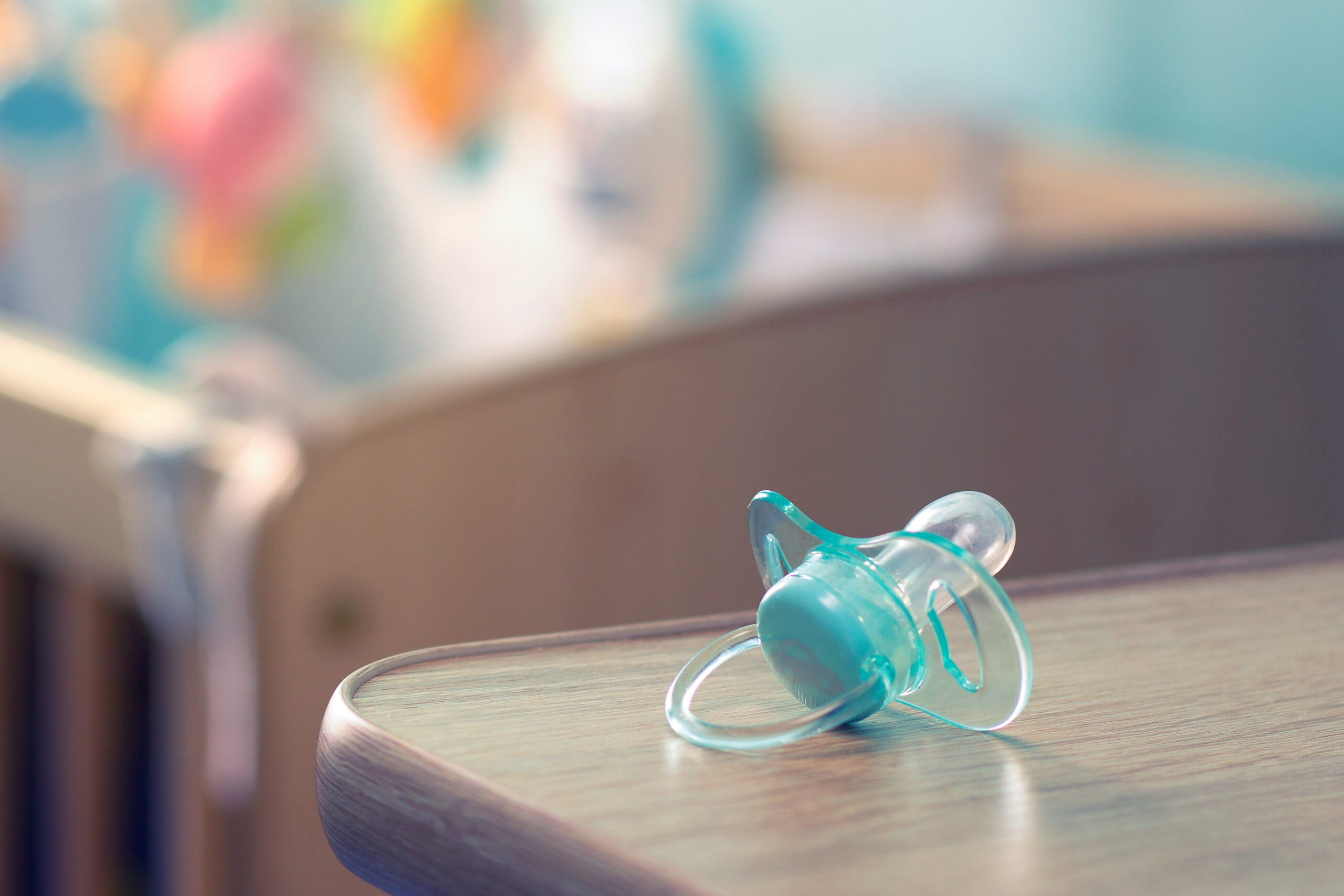
 Most children should stop using pacifiers between the ages of 2 and 4, with the ideal timeline being before age 2 to prevent potential dental and speech development issues. Many parents struggle with knowing exactly when and how to wean their child from this comforting habit, especially when pacifiers have been essential tools for soothing and sleep.
Understanding the right timing for pacifier weaning helps protect your child’s developing teeth and speech patterns while respecting their emotional needs. The transition doesn’t have to be traumatic when approached thoughtfully and gradually. At ABC Children’s Dentistry, we guide families through this important milestone with patience and practical strategies.
The Ideal Timeline for Pacifier Weaning
The American Academy of Pediatrics suggests beginning pacifier weaning around 6 months and completing the process by age 2. This timeline aligns with natural developmental stages while minimizing potential complications with tooth alignment and speech development.
Between 6 and 12 months, babies begin developing other self-soothing skills, making this an ideal time to gradually reduce pacifier dependence. During this period, children are also becoming more interested in exploring their environment through babbling and early speech attempts.
By 18 months, most children have developed sufficient emotional regulation skills to begin more structured pacifier limitation. Babies are born with all their baby teeth already formed in their jaws, and as these teeth erupt, prolonged pacifier use can begin affecting their positioning.
Potential Dental Complications
Extended pacifier use beyond age 2 can contribute to several dental problems. The constant pressure from sucking can push front teeth forward and pull bottom teeth backward, creating an open bite where front teeth don’t touch when the mouth is closed.
This altered tooth positioning can affect how children chew food and may require orthodontic treatment later. The earlier pacifier weaning occurs, the more likely teeth will naturally return to proper alignment without intervention.
Pacifiers can also affect jaw development and the positioning of permanent teeth developing beneath baby teeth. While these changes are often reversible if pacifier use stops early enough, prolonged use increases the likelihood of requiring professional treatment.
Speech Development Considerations
Pacifiers can interfere with natural speech development by limiting tongue movement and reducing opportunities for vocal exploration. Children who use pacifiers extensively may experience delays in clear speech production or develop speech patterns that require correction.
Between 12 and 24 months, children experience rapid language development. Having a pacifier in their mouth during these critical periods can reduce their motivation to experiment with sounds and words, which may impact their communication skills.
Early weaning allows children to fully engage in the babbling and early speech attempts that form the foundation for clear communication later in childhood.
Gradual Weaning Strategies
Start by limiting pacifier use to specific times, such as naps and bedtime, rather than allowing unrestricted access throughout the day. This approach helps children learn to self-soothe without relying on pacifiers during active play and social interaction times.
Create “pacifier-free zones” in your home, such as the kitchen during meals or the living room during playtime. Gradually expand these zones as your child becomes comfortable without their pacifier in different situations.
Consider implementing a reward system where children earn special privileges or small treats for periods spent without their pacifier. Positive reinforcement often works better than punishment or forced removal.
Age-Appropriate Techniques
For toddlers under 18 months, distraction and substitution work well. Offer engaging toys, books, or activities when they typically reach for their pacifier. Understanding how pacifiers affect your child’s development helps motivate consistent effort.
Older toddlers can participate in the weaning process more actively. Some families have success with “pacifier fairy” stories where the child gives their pacifiers to help other babies, receiving a special gift in return.
Creating a countdown calendar or chart where children can mark off pacifier-free days helps them feel involved in the process and provides visual progress tracking.
Managing the Emotional Aspects
Recognize that pacifiers provide genuine comfort, and weaning may temporarily increase fussiness or sleep difficulties. Plan to begin the process during relatively calm periods, avoiding times of high stress or major changes in routine.
Offer extra comfort through cuddling, reading, or gentle music during times when your child would typically use their pacifier. Alternative comfort items, such as special blankets or stuffed animals, can help ease the transition.
Be patient with setbacks. Many children need several attempts before successfully giving up their pacifiers permanently. Consistency matters more than perfection during this process.
When to Seek Professional Guidance
If your child continues using pacifiers beyond age 3 or shows signs of dental changes like protruding front teeth or speech delays, professional evaluation can provide personalized guidance and intervention strategies.
Some children have stronger oral sensory needs that make pacifier weaning more challenging. Pediatric dentists and speech therapists can offer specialized techniques for these situations.
Early dental checkups help monitor any changes in tooth alignment and provide motivation for families working through the weaning process.
Supporting Your Child’s Success
Remember that every child develops at their own pace. While guidelines provide helpful frameworks, your individual child’s needs and readiness should guide the specific timing and approach for pacifier weaning.
Focus on celebrating small successes rather than dwelling on difficult moments. Most children adapt surprisingly well once they adjust to life without their pacifier.
Professional Support for Your Family at ABC Children’s Dentistry
If you have concerns about your child’s pacifier use or its effects on their dental development, professional guidance can provide reassurance and practical strategies tailored to your family’s situation.
Understanding when to stop pacifier use helps ensure your child’s healthy development while respecting their individual needs. With patience and the right approach, most families successfully navigate this important transition.
For questions about pacifier weaning or to schedule a dental evaluation, contact our office at (856) 783-3515. At ABC Children’s Dentistry, we support families through every stage of their child’s dental development with compassionate, individualized care.