When a baby tooth comes out earlier than it should, whether from an accident, decay, or necessary extraction, most parents breathe a sigh of relief that the immediate problem is handled. But there’s something happening beneath the surface that catches families off guard. Without that baby tooth holding its spot, the teeth on either side start drifting into the empty space. It happens slowly over months, and by the time the permanent tooth is ready to come in, there’s not enough room left for it. Space maintainers prevent this drift. These small dental devices hold the space open until the permanent tooth is ready to erupt, keeping your child’s dental development on track.
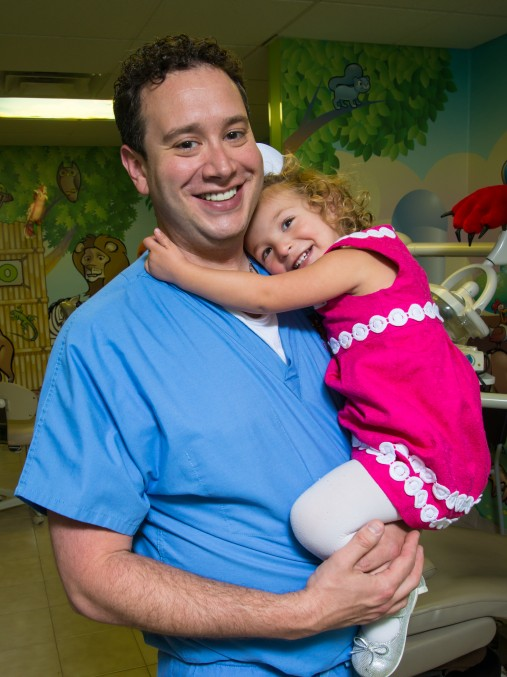
Preventive dentistry includes monitoring your child’s tooth development to spot when interventions like space maintainers become necessary. At ABC Children’s Dentistry, Dr. Singer helps families understand these decisions without the dental jargon or pressure. His approach combines straightforward explanations with the kind of goofiness that makes kids actually look forward to their appointments. The Disney-themed office doesn’t hurt either. If your child has lost a tooth too early, we’ll help you figure out the best path forward for their smile.
Why Baby Teeth Matter More Than You Think
Baby teeth do much more than help your child eat and speak. Each primary tooth acts as a natural space holder for the permanent tooth developing beneath it. When a baby tooth remains in place until the permanent tooth is ready to erupt, everything typically progresses smoothly.
However, when a baby tooth is lost prematurely due to decay, injury, or extraction, problems can arise. The teeth on either side of the gap tend to drift toward the empty space. Back teeth move forward while front teeth shift backward. This migration happens gradually over months, creating a domino effect that reduces the space available for the permanent tooth waiting to emerge.
For example, if your six-year-old loses a primary molar two years before the permanent premolar is ready to come in, the surrounding teeth will likely shift significantly during that time. The permanent tooth may then erupt in the wrong position, become impacted, or cause crowding that requires orthodontic treatment later.
How Space Maintainers Work
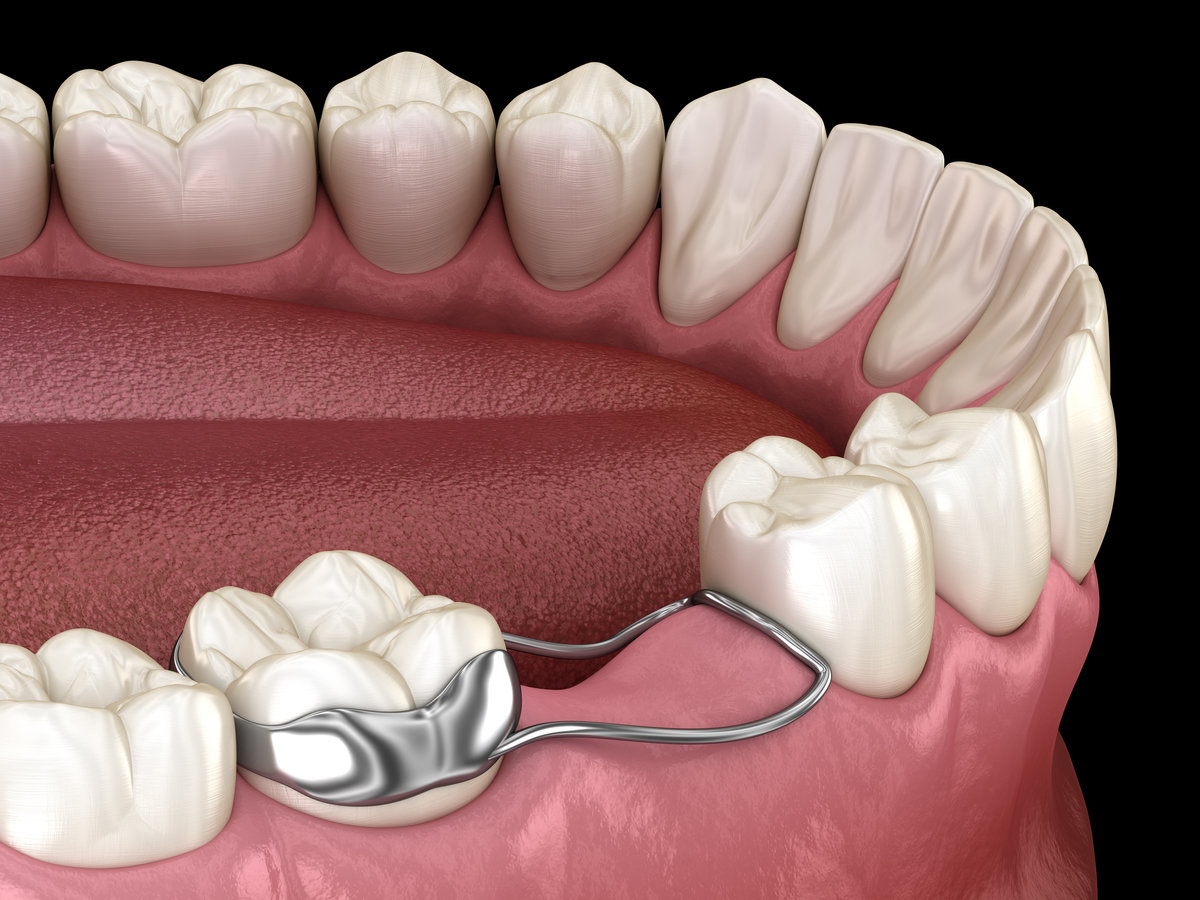
Space maintainers are custom-made appliances designed to fit your child’s mouth precisely. They consist of metal bands or wires that attach to teeth adjacent to the gap, holding the space open until the permanent tooth emerges. The device prevents neighboring teeth from drifting while allowing normal jaw growth and development to continue.
Different types of space maintainers serve various purposes. Some attach to a single tooth on one side of the gap, while others span across multiple teeth or even the entire dental arch. Your pediatric dentist selects the appropriate type based on which tooth was lost, your child’s age, and how long until the permanent tooth should erupt.
Children adapt to space maintainers quickly. Most forget they’re wearing the device within a few days. The appliance doesn’t interfere with eating, speaking, or playing. Your child simply needs to avoid sticky foods that could dislodge it and maintain good oral hygiene around the device.
When Your Child Needs a Space Maintainer
Not every early tooth loss requires a space maintainer. Several factors determine whether your child needs one. The location of the lost tooth matters significantly. Losing a back tooth typically requires a space maintainer because molars play crucial roles in maintaining arch width and proper spacing. Front teeth often don’t need space maintainers since front permanent teeth usually erupt quickly after baby teeth are lost.
Timing also influences the decision. If the permanent tooth will emerge within six months, a space maintainer may not be necessary. However, if your child loses a tooth a year or more before the permanent replacement is due, a space maintainer becomes important. Dental emergencies like knocked-out teeth often create situations where space maintainers prove essential.
Your child’s individual dental development affects the recommendation as well. Some children naturally have more spacing between teeth, reducing the likelihood of shifting. Others have crowded mouths where teeth quickly move into available gaps. X-rays help determine how soon the permanent tooth will erupt and whether neighboring teeth show signs of drifting.
Types of Space Maintainers Available
Fixed space maintainers remain cemented in your child’s mouth until the permanent tooth erupts. These devices work best for most children because they can’t be lost or forgotten. Band and loop maintainers attach to one tooth next to the gap with a wire loop extending to hold the space open. Crown and loop maintainers work similarly but use a crown instead of a band when the supporting tooth needs additional protection.
Distal shoe maintainers serve a special purpose when a child loses a primary molar before the six-year molar has erupted. This appliance has a metal extension that guides the permanent molar into its proper position as it emerges. Lingual arch maintainers span the entire lower arch, connecting molars on both sides to maintain space when multiple teeth are lost.
Removable space maintainers look similar to retainers and can be taken out for cleaning. These work well for older, responsible children who can remember to wear them consistently. However, younger children typically do better with fixed appliances that stay in place continuously. The first dental visit helps establish a relationship that makes future treatments, like space maintainer placement, more comfortable.
Caring for Your Child’s Space Maintainer
Proper care keeps the space maintainer functioning correctly until the permanent tooth arrives. Your child should brush around the device carefully twice daily, paying special attention to the bands or wires where food particles can accumulate. Flossing remains important for the remaining teeth, though you may need to use floss threaders to navigate around the appliance.
Certain foods pose risks to space maintainers. Avoid sticky candies, caramels, taffy, and chewing gum that can pull the device loose or bend the wires. Hard foods like ice, popcorn kernels, and hard candies can also damage the appliance. Your child can eat most other foods normally, cutting larger items into smaller pieces if needed.
Regular dental checkups allow monitoring of the space maintainer’s condition and the progress of the permanent tooth. Bring your child in immediately if the device feels loose, causes discomfort, or breaks. Most space maintainers remain in place for several months to a few years, depending on when the permanent tooth is ready to emerge. Once that tooth starts coming in, we remove the space maintainer.
Preventing Early Tooth Loss
While space maintainers effectively manage premature tooth loss, prevention remains the best approach. Regular dental visits help catch cavities early before they progress to the point of requiring extraction. Proper oral hygiene at home reduces decay risk significantly.
Protecting teeth during sports and active play prevents injury-related tooth loss. Mouthguards cushion impacts that might otherwise knock out teeth. Teaching children to avoid using teeth as tools, opening packages, or biting hard objects also reduces injury risk. A balanced diet low in sugary snacks and drinks supports healthy teeth that resist decay.
Sometimes, early tooth loss happens despite best efforts. When it does, space maintainers provide an effective solution that protects your child’s dental development. Understanding these devices helps you make informed decisions about your child’s oral health care. Common dental issues affecting children often involve premature tooth loss that space maintainers can address.
Trust ABC Children’s Dentistry for Your Child’s Dental Development
Space maintainers represent just one of many tools we use to support healthy dental development in children. At ABC Children’s Dentistry, Dr. Jeffrey Singer brings over 20 years of experience in pediatric dentistry to every patient. His expertise in behavior management and specialized training ensures your child receives comfortable, effective care tailored to their unique needs.
Our Disney-themed environment transforms dental visits into adventures, helping children feel excited rather than anxious about their appointments. We take time to explain procedures in age-appropriate ways, building trust and understanding. If you have questions about space maintainers or need to schedule an appointment, please contact our office today. We’re here to guide your family through every stage of your child’s dental journey.