 Children develop all sorts of habits as they grow, and while many are harmless, some oral behaviors can impact their dental health in significant ways. Nail biting, lip chewing, and tongue thrusting might seem like minor quirks, but when these habits persist, they can lead to misaligned teeth, jaw problems, and other concerns that affect both function and appearance.
At ABC Children’s Dentistry, we help families throughout Voorhees, Cherry Hill, and surrounding South Jersey communities understand how childhood habits affect oral development. Dr. Jeffrey Singer and our team take a gentle, playful approach to working with kids on breaking harmful patterns while keeping dental visits fun and stress-free in our Disney-themed office with animatronic parrots and arcade games.
Why Do Children Develop Oral Habits?
Children engage in oral habits for various reasons, often as self-soothing behaviors during times of stress, boredom, or anxiety. Nail biting frequently emerges during moments of nervousness or concentration, while lip chewing might become a subconscious response to uncomfortable situations. Tongue thrusting, which involves pushing the tongue forward against or between the teeth, can develop as children transition from infant swallowing patterns.
According to the American Academy of Pediatric Dentistry, oral habits become concerning when they persist and begin affecting dental alignment and jaw development. The organization notes that factors such as the frequency, duration, and intensity of these behaviors influence their impact on tooth positioning and facial growth patterns. Young children often outgrow these habits naturally, but persistence beyond age five or six warrants professional evaluation.
How Nail Biting Affects Your Child’s Teeth
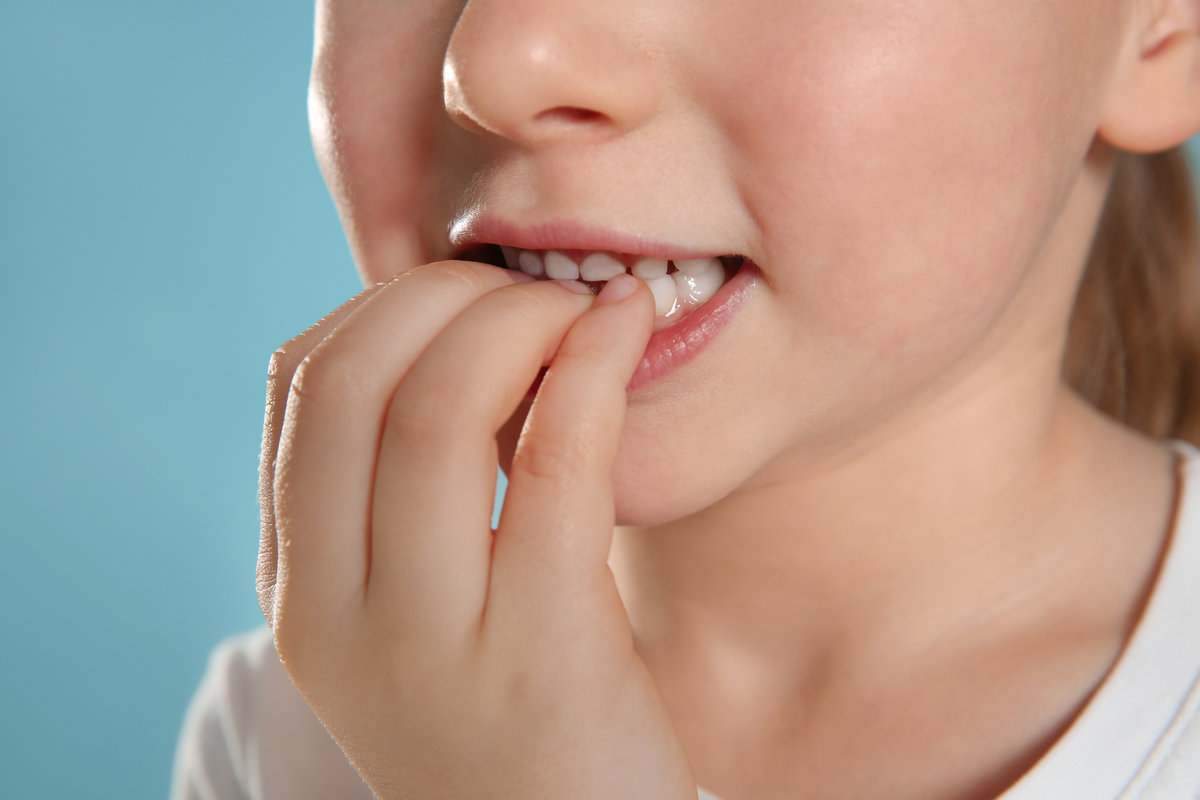
Nail biting subjects teeth to abnormal forces and introduces bacteria from under the nails directly into the mouth. Children who bite their nails regularly often experience worn, chipped, or fractured front teeth from the repeated grinding and tearing motions. The habit places stress on the jaw joint and can contribute to temporomandibular joint dysfunction over time.
Beyond the dental concerns, nail biting increases the risk of oral infections and can transport bacteria and viruses from the hands to the mouth. Children with braces face additional complications, as nail biting can damage orthodontic hardware and extend treatment time. We focus on preventive dental care to help children maintain healthy teeth while addressing habits that undermine their oral health.
The Effects of Lip Chewing on Oral Structures
Lip chewing creates different concerns than nail biting, primarily affecting the soft tissues and potentially altering tooth positions over time. Children who habitually chew or suck their lips may develop chronically irritated, cracked, or bleeding lip tissue. The constant moisture and trauma create an environment where infections can develop more easily.
When children consistently pull their lower lip behind their upper teeth while chewing, they can create or worsen an overbite. The pressure from this positioning pushes upper teeth forward while pulling lower teeth back, potentially affecting facial profile development. Similar to other oral habits, lip chewing often serves as a coping mechanism, and understanding what triggers the behavior helps in developing appropriate interventions.
Understanding Tongue Thrusting and Its Consequences
Tongue thrusting represents one of the more challenging oral habits because children often perform it unconsciously during swallowing, speaking, or even at rest. In a proper swallow pattern, the tongue presses against the roof of the mouth behind the front teeth. Children with tongue thrust push their tongue forward against or between their teeth instead, creating significant orthodontic concerns.
This forward tongue position can prevent front teeth from erupting properly, creating an open bite where upper and lower front teeth don’t meet when the mouth closes. The constant pressure can also push front teeth forward, contributing to overjet or protruding upper teeth. Beyond dental alignment, tongue thrust can affect speech patterns, particularly with sounds like “s,” “z,” “t,” and “d.” Many factors contribute to tongue thrusting, including enlarged tonsils or adenoids, chronic nasal congestion, and prolonged pacifier or thumb sucking habits.
What Parents Can Do to Help
Breaking oral habits requires patience, consistency, and a supportive approach. Punishment or harsh criticism typically increases stress and makes habits worse. Instead, help your child become aware of when they engage in the behavior by gently pointing it out without judgment.
For nail biting, keeping nails trimmed short reduces the temptation and available surface to bite. Some parents find success with bitter-tasting nail solutions designed to discourage biting, though these work better when combined with positive reinforcement for keeping fingers out of the mouth. Lip chewing often responds well to increased awareness and stress management techniques, while addressing tongue thrust typically requires professional intervention through myofunctional therapy and working closely with specialists.
Schedule a Consultation at ABC Children’s Dentistry
If you’ve noticed your child engaging in nail biting, lip chewing, tongue thrusting, or other oral habits, we can help assess the impact and recommend appropriate interventions. Dr. Jeffrey Singer brings years of experience working with children on habit management in ways that feel supportive rather than punitive. Our team understands how to communicate with kids at their level, making dental guidance feel like a fun partnership rather than a lecture.
Early intervention often prevents more serious problems from developing and can save your family from extensive orthodontic treatment down the road. We serve families throughout Voorhees, Cherry Hill, Marlton, Stratford, Gibbsboro, Lindenwold, and surrounding South Jersey communities. Reach out to us today to discuss your child’s oral habits and explore gentle solutions that work.