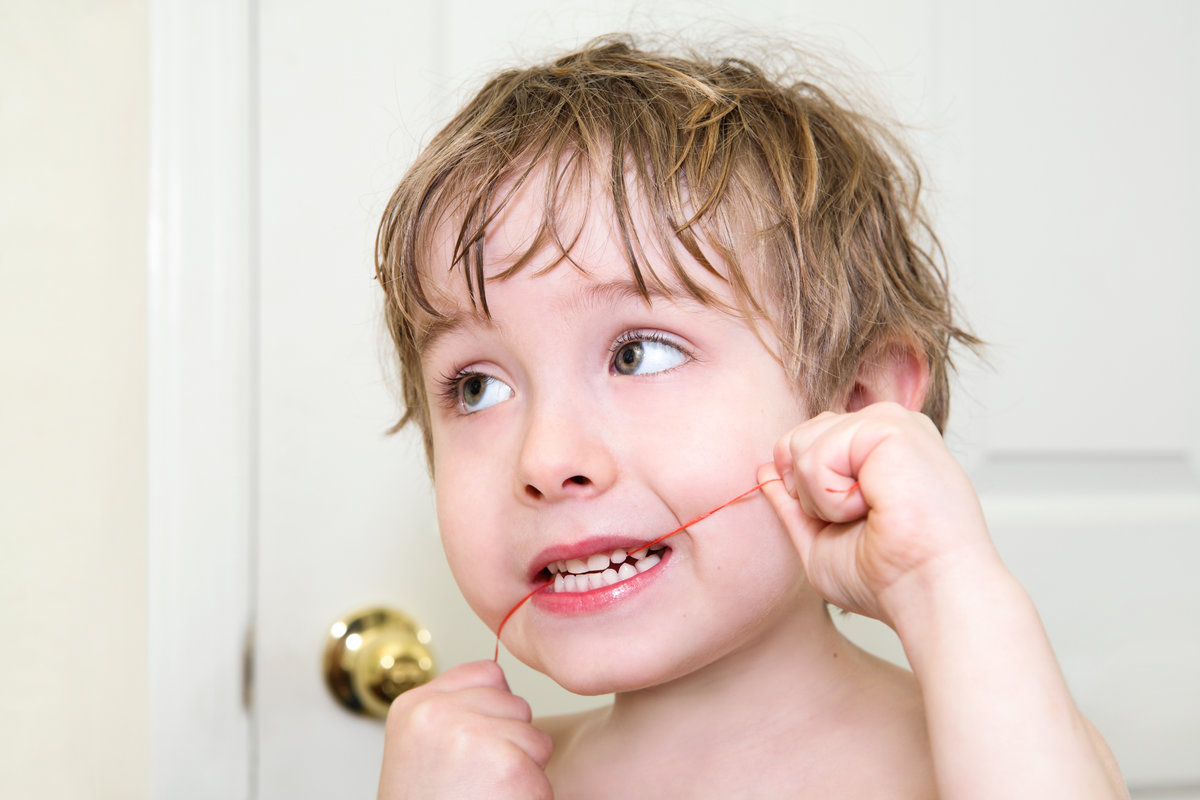
 Flossing removes food particles and plaque from between teeth where toothbrushes can’t reach, preventing cavities and gum disease. Getting kids to floss consistently requires creativity, patience, and the right tools to make the process engaging rather than tedious.
At ABC Children’s Dentistry, Dr. Jeffrey Singer and our team help parents establish complete oral care routines for their children. Home care forms the foundation of lifelong dental health, and flossing plays a vital role in protecting the spaces between teeth from decay.
When to Start Flossing
Children should begin flossing once two teeth touch, typically around age four or five. Before teeth make contact, brushing alone cleans all surfaces adequately. Once teeth sit side by side, gaps create hiding spots for food and bacteria where bristles can’t reach.
Parents should handle flossing for young children until around age 10, when most kids develop the dexterity to floss independently. Even then, supervision ensures thorough cleaning. The American Dental Association recommends flossing once daily along with twice-daily brushing to maintain healthy teeth and gums.
Choose Child-Friendly Flossing Tools
Traditional string floss works well for older children and adults, but younger kids often find it challenging. Floss picks with handles shaped like animals or characters make holding easier while adding appeal. Disposable picks also eliminate the need to wrap floss around fingers, simplifying the process for small hands.
Water flossers offer another option for children who resist traditional floss. These devices use pressurized water to clean between teeth and along gumlines. Many kids find them more enjoyable than string floss, though they require supervision to use properly. Regular dental exams help determine which tools work best for your child’s age and needs.
Make Flossing Part of the Routine
Consistency builds habits more effectively than perfection. Choose one time daily for flossing, ideally at night before bed, when food from the entire day needs to be removed. Position flossing between brushing and rinsing so it becomes part of the natural sequence.
Create a predictable order: brush teeth, floss between all teeth that touch, rinse mouth. This structure makes flossing automatic rather than optional. Young children may resist initially, but maintaining the routine helps them accept it as normal within a few weeks.
Turn It Into a Game
Transform flossing from a chore into an activity your child looks forward to. Try these strategies to increase engagement:
- Use a mirror: Let your child watch and “help” guide the floss.
- Create characters: Pretend the floss is a “tooth superhero” fighting cavity villains.
- Sing a song: Make up a silly flossing tune that lasts 2-3 minutes.
- Offer choices: Let them pick which floss flavor or design to use.
- Track progress: Use a chart with stickers for consecutive flossing days.
Keep activities simple and age-appropriate. The goal is to make flossing pleasant without creating elaborate productions that become unsustainable. As children mature, they’ll need less entertainment and more focus on thorough cleaning.
Teach Proper Technique
Effective flossing requires reaching below the gumline where plaque accumulates. Demonstrate gentle sawing motions to guide floss between teeth, then curve it around each tooth in a C-shape. Move the floss up and down several times on each side of every gap.
Bleeding gums during the first week of flossing often indicates inflammation from trapped bacteria, not improper technique. Continue gentle daily flossing, and bleeding typically stops within a week as gums heal. Persistent bleeding beyond two weeks warrants evaluation by a dentist. Dr. Singer’s approach includes teaching children proper technique at developmentally appropriate stages.
Connect Flossing to Overall Health
Help children see flossing as self-care rather than a parent-imposed rule. Explain how food between teeth feeds bacteria that create cavities. Show them photos of healthy teeth versus teeth with decay. Connect oral health to things they value, like eating favorite foods without pain or smiling confidently in photos.
Avoid scare tactics or graphic images that create anxiety. Instead, frame flossing as a simple action that protects their smile. Many children respond well to feeling capable and responsible for their own health. Preventive care through daily habits reduces the need for more complex treatments later.
Develop Strong Habits at ABC Children’s Dentistry
Teaching your child to floss consistently protects their smile for years to come. Dr. Singer has been creating positive dental experiences for children throughout South Jersey in his Disney-themed Voorhees office, where regular visits reinforce the importance of daily home care. Voted Top Dentist for Pediatric Dentistry by the Consumers Research Council of America, Dr. Singer combines clinical excellence with an engaging environment where children learn healthy habits.
We work alongside parents to address challenges and provide age-appropriate guidance for establishing complete oral care routines. Our team understands that building effective habits takes time, patience, and the right approach for each child’s personality. Contact our office to schedule your child’s next visit and discuss strategies for making flossing a natural part of their daily routine.